The authors and creators of donghua
The pioneer of Chinese 3DBorn in 1975, Tian Xiaopeng started animating while studying computer science. Twenty years later, Monkey King: Hero Is Back revived Chinese animated cinema.
Career
In 1995, then a third-year software student at Beijing University of Technology, Tian Xiaopeng discovered animation. In 1997 the company he worked for made part of the animated series Journey to the West (西游记) for Chinese television; he single-handedly supervised four episodes.
In 1999 he helped China Central Television set up a digital production centre and founded October Digital Animation (十月数码) in Beijing, becoming its art director. In 2009 he directed the experimental 3D short Fly (飞).
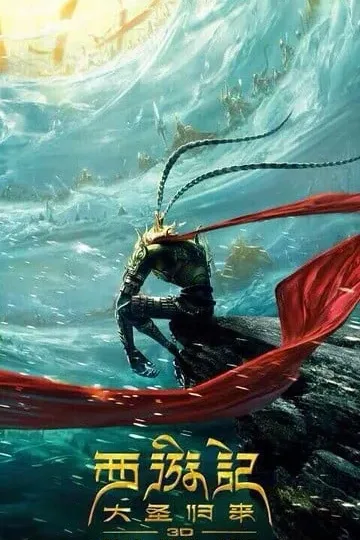
In 2015, Monkey King: Hero Is Back (西游记之大圣归来), eight years in the making, became Chinese animation's biggest hit at the time and won him best director at the Golden Dragon Awards. He went on to make Deep Sea (深海, 2023) and announced Havoc in Heaven.
Style and themes
Tian Xiaopeng is a pioneer of Chinese 3D who long worked with limited means. His films bet on emotion, damaged heroes and great visual ambition. Deep Sea even invented a 3D "Chinese ink" rendering style.
Their works on Donghua Fan
The donghua adapted from Tian Xiaopeng's novels, with their guides, characters and watch orders.
Other works
- Fly (飞, 2009), experimental short
- Deep Sea (深海, 2023)
- Havoc in Heaven (大圣闹天宫), announced
Trivia
- He started out on an animated series based on Journey to the West, the story he reinvented in 2015.
- Fans call him "the traveller from the deep sea" (深海异客), after Deep Sea.
- He studied software engineering before devoting himself to animation.
Donghua Fan's take
Tian Xiaopeng paved the way: no Monkey King, no Ne Zha. His path, from small TV series to the big screen, mirrors that of all Chinese animation.
— Spidermas, for Donghua Fan