Tales of Demons and Gods — Jiang Ruotai's manhua
At a glanceongoing
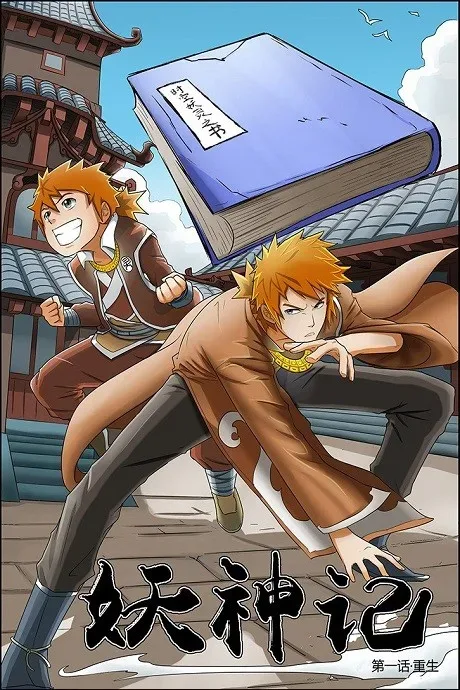
Two years before the donghua, Yao Shen Ji was adapted into a manhua by Jiang Ruotai (姜若泰) and the Taxue Dongman (踏雪动漫) studio, starting in 2015. Published in colour on Manke Zhan, Tencent Animation and U17, it became one of the most-read Chinese comics abroad.
Origins and publication
The manhua began while the novel was still being serialized. It uses a format suited to smartphone reading, with dynamic paneling and bright colours. When the novel stopped, the manhua kept going and became, for many fans, the reference version of the story.
How it differs from the donghua
The manhua predates the donghua by two years and offers a very readable style, with demon spirit battles enhanced by light effects. It follows the novel closely at first, then pulled ahead of the donghua. The animated series' 3D offers smoother fights, but the manhua keeps the edge in pace and volume.
Reception and success
The manhua played a key role in the franchise's popularity outside China: for many Western readers, Tales of Demons and Gods was a comic before it was a novel or a donghua. It has been translated into many languages and remains one of the best-known cultivation manhua.
Trivia
- The manhua launched in 2015, two years before the donghua.
- It is produced by the Taxue Dongman studio and drawn by Jiang Ruotai.
- It was published on three Chinese platforms: Manke Zhan, Tencent Animation and U17.
- For many international fans, it is the best-known version of Nie Li's story.
My take
This is the best way to discover Tales of Demons and Gods. The manhua is well paced, easy to read and goes further than the donghua. The art is fairly conventional and female characters are sometimes reduced to their looks. But to follow Nie Li over the long run, this is the version I recommend.
Who is it for?Webtoon readers and fans of rebirth stories who want a fast-paced tale.
— Spidermas, for Donghua Fan
 The authorMad Snail 发飙的蜗牛Qidian's raging snail