The Outcast — Mi Er's original manhua
At a glanceover 21 volumes · ongoing
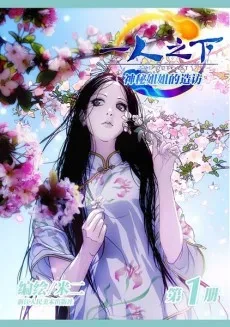
Unlike most cultivation donghua, The Outcast does not adapt a novel but a manhua: Yi Ren Zhi Xia (一人之下), created by Mi Er (米二) at the Dong Man Tang studio in Tianjin and published since 26 February 2015 on Tencent Animation. It all starts when the body of the grandfather of Zhang Chulan, an ordinary student, is stolen, and a mysterious girl, Feng Baobao, bursts into his life.
Origins and publication
Mi Er imagines a contemporary world where "yiren" (异人) live in secret, people who can manipulate qi (炁) through Taoist, Buddhist or folk techniques. The manhua mixes urban action, absurd humour and a grand historical fresco: behind the fights lies the past of the "Thirty-Six Thieves" and the Jiashen incident of 1944. The art, simple at first, grows in scope with each arc.
Collected volumes have been published by Zhejiang People's Fine Arts since August 2016 and number over 21. The manhua has been translated into several languages, including English and Japanese.
Volume covers
The first 12 volumes of the print edition, out of 21 released.
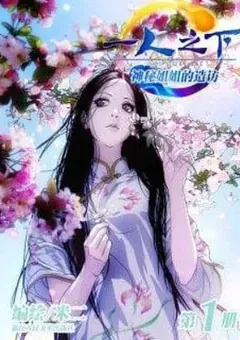 Vol. 1
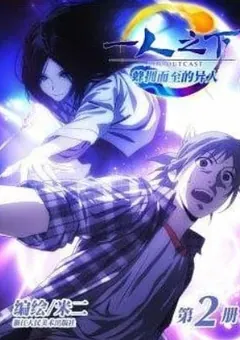 Vol. 2
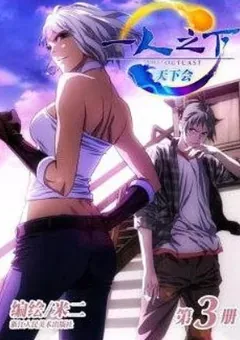 Vol. 3
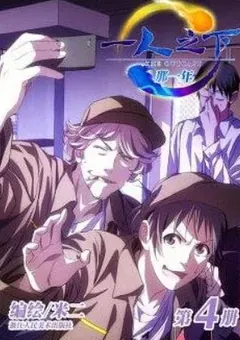 Vol. 4
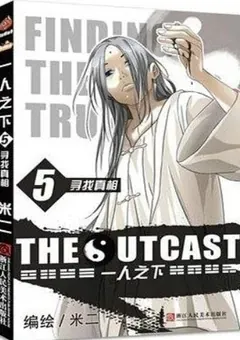 Vol. 5
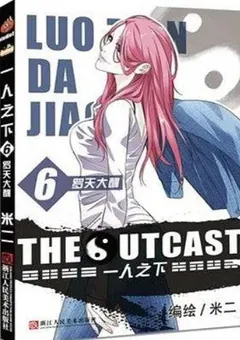 Vol. 6
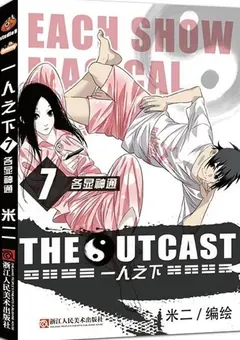 Vol. 7
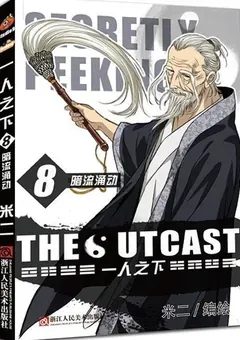 Vol. 8
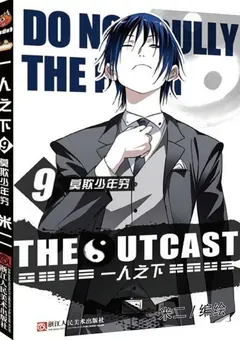 Vol. 9
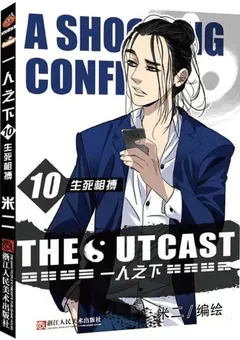 Vol. 10
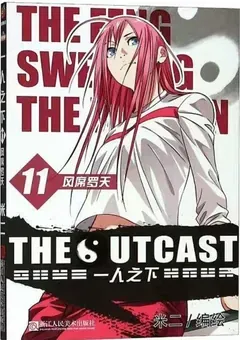 Vol. 11
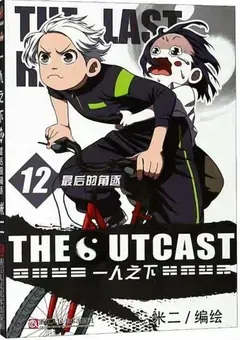 Vol. 12
How it differs from the donghua
The donghua, launched in July 2016, is one of the most faithful ever made: it reproduces the manhua's arcs almost panel by panel, with the same humour. But the manhua is still ahead of the animation and contains arcs the donghua has not yet covered. It also leaves more room for dialogue on Taoist philosophy and historical detail, which the animation sometimes shortens.
Reception and success
Yi Ren Zhi Xia is one of the most respected Chinese manhua, with a score of 8 on Bangumi, very high for a Chinese title. It is often cited as proof that Chinese comics can create original worlds without relying on web novels. It has led to six animated seasons, a live-action series and plenty of merchandise.
Trivia
- The word qi is written 炁 in the manhua, an old form used in Taoist texts, rather than 气.
- The title Yi Ren Zhi Xia comes from the expression "一人之下,万人之上", "below one man, above ten thousand".
- The great Luotian Dajiao (罗天大醮) tournament on Mount Longhu is one of fans' favourite arcs.
- Fans nickname Mi Er "Er Shu" (二叔, "Uncle Er").
My take
This is my favourite Chinese manhua. The world is original, the characters are endearing, from Feng Baobao to Wang Ye, and the humour works as well as the fights. Mi Er's great strength is linking spectacular battles to real reflection on Chinese tradition and history. The first chapters are a bit rough, but the series keeps getting better.
Who is it for?Anyone who loves urban action, offbeat humour and Chinese mythology, even without knowing xianxia.
— Spidermas, for Donghua Fan
 The authorMi Er 米二The master of modern Taoist manhua